Expert Fixer-Upper Renovation Strategy in Dallas, TX: How to Make the Most of Your Flip
Buying a fixer-upper can be a great move in real estate, but it really shines when you have a plan for renovation. Whether your flip turns a profit or becomes a costly mistake often hinges on how you plan, prioritize, and spend your money. If you're looking to transform an outdated property into a hot-ticket item on the market, having the right approach can help you boost appeal, manage costs, and avoid nasty surprises along the way.
In this guide, you'll learn how to size up a fixer-upper, pick the best upgrades, set a workable budget, and dodge the common pitfalls that can eat into your gains. We'll also explore when to focus on changing the layout, when a simple facelift will do, and how to know if a major remodel is the right call. If you're looking to spruce up a property in the Dallas market, services like fix and flip renovations and whole-home remodeling can provide the organization needed to keep your project running smoothly.
A successful flip isn't just about making a house look pretty. It's about giving buyers what they want, ensuring the home works well, and steering clear of over-improvement. According to National Association of Realtors research, updated kitchens, bathrooms, and curb appeal are high on buyers' wish lists. So, your renovation strategy should focus on these features that catch buyers' eyes first.
Start With a Clear Property Assessment
Understand the home's structural condition
Before diving into paint colors or finishes, take a good look at the structure of the home. A fixer-upper might have obvious cosmetic flaws, but the bigger issues often hide behind walls, under floors, or in old mechanical systems. Check the roof, foundation, HVAC, plumbing, electrical system, windows, and insulation before setting a renovation budget. These factors will help you decide if the house is a manageable project or a potential money pit.
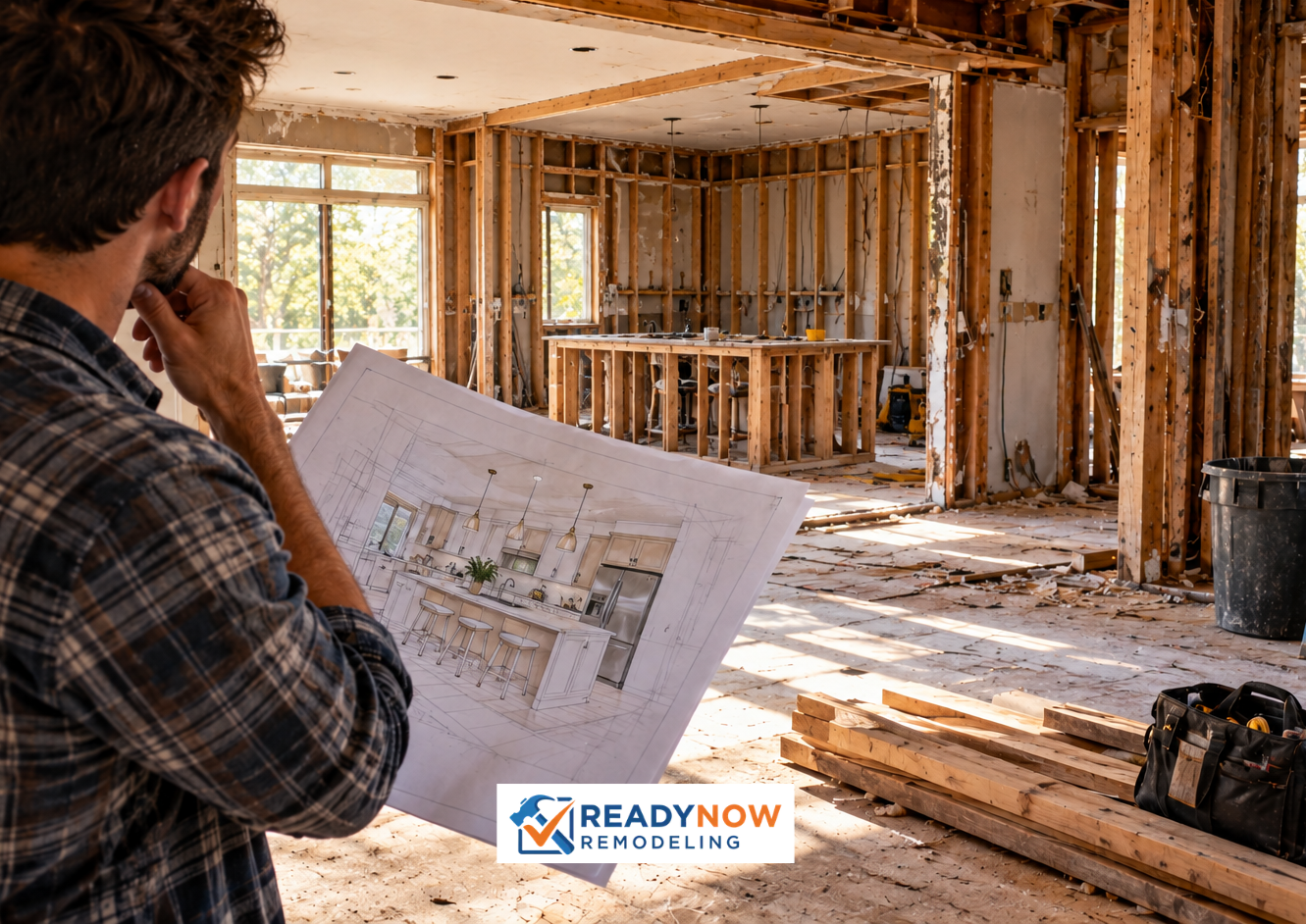
If the property needs layout changes or major structural fixes, you might need to consider options like framing changes or wall removal. These updates can improve flow but require careful planning and an understanding of load-bearing walls. Sometimes a cosmetic update might be enough, but a structurally unsound property requires a different approach.
Identify the highest-risk systems first
One big mistake flippers make is focusing on finishes before tackling critical issues. If the electrical panel is outdated or the plumbing is shaky, these problems can delay the project and scare off buyers during inspection. Before picking countertops or flooring, ensure the home is safe, functional, and up to code. The U.S. Department of Housing and Urban Development stresses the importance of energy efficiency and habitability, both of which matter to buyers and appraisers.
This is also the time to see if the property needs new doors, windows, or exterior improvements. Services like window replacement and door installation can make the home more comfortable and boost curb appeal. With essentials in good shape, your cosmetic investments are more likely to pay off.
Choose Renovations That Buyers Actually Value
Focus on kitchens and bathrooms first
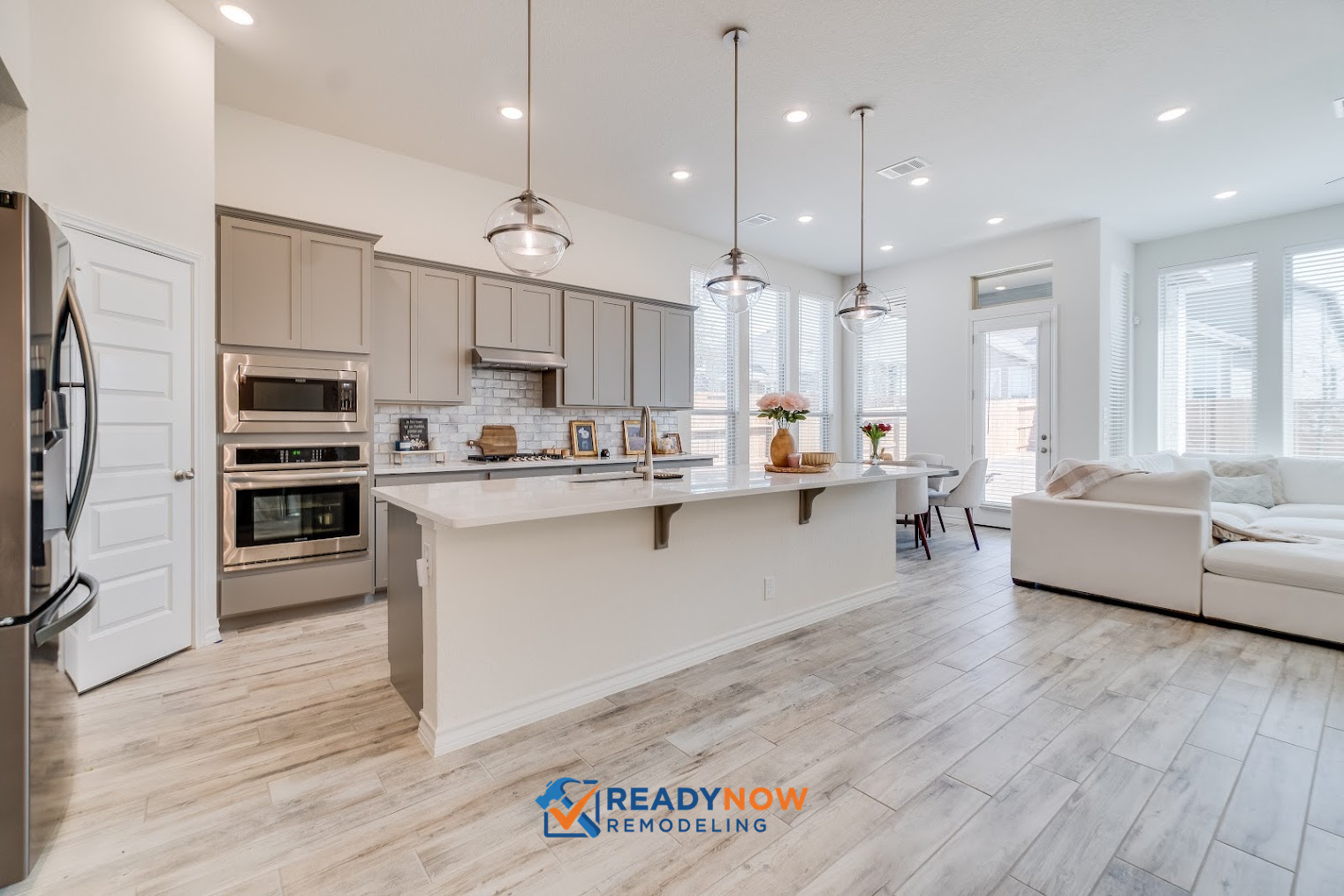
Kitchens and bathrooms often drive the most value in a flip. Buyers view them as costly to update, so making them clean, functional, and modern can change how the home is perceived. A smart kitchen renovation doesn't have to be huge or overly customized. It should feel bright, efficient, and easy to live in. A well-planned kitchen remodeling project can offer great returns by enhancing both daily use and resale appeal.
The same goes for bathrooms. Even a small bathroom can feel more valuable if you improve the lighting, update the tile, and optimize the layout. Our bathroom remodeling service shows how targeted updates can create a polished finish without blowing the budget. Buyers might overlook a small bedroom or basic laundry area, but they rarely ignore a dated kitchen or worn bathroom.
Use flooring and finishes to create cohesion
Flooring plays a major role in how buyers perceive value. If the home has mismatched surfaces, worn carpet, or damaged subflooring, it can feel tired. Uniform, durable flooring gives the home a cohesive look and makes rooms feel bigger and cleaner. For many flips, the best option balances style, durability, and cost, which is why flooring installation is often an early upgrade.
Once the flooring is set, use paint, trim, and cabinet selections to reinforce a consistent style. Neutral colors work well as they create a fresh canvas without alienating potential buyers. Services like painting and trim carpentry can have a big impact on the final look. Small details matter more than you might think, especially when buyers are comparing similar homes in the same price range.
Know When a Layout Change Is Worth It
Improve flow without overbuilding
Some fixer-uppers aren't just old; they're awkward. Narrow hallways, closed-off kitchens, and poorly placed walls can make a home feel smaller than it is. In these cases, layout changes may be more valuable than extra decorative features. Strategic upgrades like space reconfiguration can improve flow, create better sightlines, and make a home feel modern without adding a full extension.
If the property has a wall blocking light or circulation, consider whether opening that area would create a more desirable layout. Our open-concept conversions service helps homeowners and investors create a more connected living space. Not every wall should be removed, though. The key is to balance design goals with budget and structural limitations to improve the home without causing costly complications.
Add space only when the numbers make sense
Sometimes a fixer-upper needs more than cosmetic updates or layout tweaks. If the home is too small for the target buyers, an addition might be justified. However, additions should be based on resale math, not emotion. A new bedroom, expanded primary suite, or extra living room can help the home compete better in the market, but it has to fit the neighborhood’s price ceiling. In many cases, room additions or home additions make sense only when the extra square footage clearly increases market value.
According to the U.S. Department of Energy, efficient design and building upgrades can also improve performance and comfort. In a resale project, that can support buyer confidence and help the property stand out from similar homes. The best flips aren't necessarily the biggest ones; they are the ones that match what the market wants.
Build a Budget That Protects Your Profit
Separate must-haves from nice-to-haves
Budgeting for a fixer-upper takes discipline. It's easy to get excited by upgraded fixtures, premium tile, or custom finishes, but every upgrade should offer a clear return or meet a buyer expectation. Start by breaking the project into three categories: safety and systems, resale essentials, and optional enhancements. This simple framework helps you stay focused when the project starts to grow in scope.
Use line-item estimates for labor, materials, permitting, cleanup, and contingency. A contingency buffer is especially important because older homes often reveal hidden issues once demolition begins. If the property needs drywall repair, cabinet replacement, or countertop installation, those costs should be planned carefully rather than guessed. Surprises are normal in renovation work, but they don't have to ruin your margin.
Protect yourself from scope creep
Scope creep happens when small upgrades keep getting added to the list. It might start with a simple bathroom update, then turn into new tile, custom lighting, a vanity upgrade, and a heated floor system. Those improvements might all be nice, but they can quickly push the project past the budget range that makes sense for a flip. Stay disciplined by revisiting the exit strategy every time a new expense comes up.
One practical approach is to rank upgrades based on impact, cost, and time. High-impact, moderate-cost improvements come first. Low-impact luxury features should only be added if the numbers still work after the core renovation is complete. This mindset keeps the project smart rather than design-driven.
Plan the Renovation Sequence Carefully
Demolition and systems before finishes
A smooth flip follows a logical order. Start with demolition, inspection, framing corrections, and mechanical updates before any finish materials are installed. If you reverse the order, you risk damaging new materials or delaying work while essential repairs are still pending. Good sequencing protects both quality and budget.
During this phase, you might need services like demolition or targeted structural work such as framing changes. Once the structure and systems are ready, the project can move into drywall, painting, flooring, cabinets, countertops, and trim. This is also a good time to review whether a better-performing bathroom or kitchen layout would improve the final result.
Finish with presentation and curb appeal
The last phase of the project should focus on what buyers see immediately. Fresh paint, clean landscaping, updated lighting, and polished interiors can transform the perception of the home. Exterior work matters more than many investors expect because it creates the first impression before a buyer steps inside. If the outside feels neglected, buyers might assume the inside has the same problem.
Exterior upgrades like exterior renovations, deck construction, or patio improvements can strengthen the property’s appeal when the neighborhood supports those features. A home doesn't need to be extravagant to feel complete. It just needs to feel well cared for and ready for the next owner.
Market to the Right Buyer Profile
Match the renovation to the neighborhood
Every successful flip starts with understanding who will buy the home. A starter home for young professionals shouldn't be remodeled the same way as a larger property for a growing family. The finishes, floor plan, and even the color palette should reflect the expectations of the likely buyer. If you over-customize, you may make the house harder to sell. If you under-renovate, you may leave money on the table.
Neighborhood context matters as much as the house itself. A modest remodel might be enough in one area, while another market may reward upgraded lighting, larger kitchens, and improved storage. This is where strategic data and local market awareness become valuable. If you're trying to sell quickly, the project should emphasize broad appeal and practical comfort rather than niche design choices.
Show buyers the lifestyle, not just the finishes
Buyers don't purchase cabinets or paint colors; they buy the feeling of a home that works better. Your final presentation should highlight function, flow, and livability. If you've created better circulation between rooms, improved the kitchen workflow, or added a flexible space for work or guests, make sure the finished property tells that story clearly. Good staging can help, but the renovation itself should already support the narrative.
For homes needing a strong reset, a full interior renovation or even a whole-home remodeling approach might make more sense than doing one room at a time. When the home feels coordinated, buyers sense quality even before they focus on individual upgrades. That emotional response often drives strong offers.
Avoid Common Fixer-Upper Mistakes
Do not over-improve for the area
One of the easiest ways to lose money on a flip is by making the home more expensive than the surrounding market supports. This can happen when investors choose luxury materials that are far above neighborhood expectations or add square footage that doesn't translate into higher resale value. The goal isn't to build the most impressive house on the block. The goal is to build the smartest one.
To avoid over-improving, compare your target home with nearby recently sold properties. Pay attention to what features those homes had, how they were priced, and how quickly they sold. If you're far above the market in finish quality or total cost, your return may shrink even if the home looks beautiful. Good flips are priced for demand, not pride.
Do not ignore permits and code requirements
Permits can feel like a delay, but skipping them can create expensive problems later. Unpermitted electrical work, plumbing changes, wall removals, or additions can stop a sale, delay financing, or trigger inspection issues. It's much better to plan projects the right way from the start than to deal with corrections after the work is complete. Professional oversight helps keep the process clean and sale-ready.
If your property requires more involved structural adjustments, permit coordination becomes even more important. A trusted remodeling team can help manage the details behind the scenes while you stay focused on the bigger picture. That is one reason many investors choose to work with specialists instead of juggling multiple crews on their own.
When to Bring in a Professional Remodeling Team
Complex projects need coordinated execution
Even experienced investors can benefit from a professional remodeling team when the project includes multiple trades, structural changes, or a tight timeline. Coordinating cabinets, flooring, electrical, plumbing, tile, paint, and final punch-list items takes real project management. If one trade falls behind, the entire schedule can shift. That's why professional coordination is often worth the investment.
ReadyNow Remodeling helps homeowners and investors manage projects that need better layouts, improved function, and more polished finishes. Whether you need home makeovers and cosmetic renovations or a more substantial transformation, the right team can reduce stress and improve consistency across the project. A professional process also makes it easier to keep the renovation aligned with your budget and timeline.
Use local expertise to your advantage
Working with a Dallas-based team can be especially helpful when the project involves local permit rules, neighborhood expectations, and regional design preferences. Knowing what buyers in the area tend to value can help guide material choices and layout decisions. Local expertise can also help you avoid spending on features that don't add much resale strength in your specific market.
That's where a remodeler with experience across kitchen, bathroom, and whole-home work can make a real difference. If a property needs more than quick cosmetic fixes, the ability to coordinate major updates from one source can save time and help the project finish with a more cohesive result. In a flip, cohesion sells.
Frequently Asked Questions About Fixer-Upper Renovation Strategy
Should I renovate everything before listing the home?
Not always. The right strategy depends on the condition of the property, the target buyer, and the neighborhood pricing ceiling. In some cases, a focused renovation on kitchens, bathrooms, flooring, and paint is enough to produce a strong sale. In other cases, a more complete overhaul may be necessary if the home is outdated across multiple major systems.
What projects typically deliver the best resale impact?
Kitchen updates, bathroom improvements, better flooring, fresh paint, and strong curb appeal tend to make the biggest impression. Layout improvements can also be powerful when the current floor plan feels cramped or awkward. The best return usually comes from improvements that make the home feel cleaner, brighter, and easier to live in.
How do I know whether to do a partial remodel or a full renovation?
If the home has a mostly functional layout and solid systems, a partial remodel may be enough. If the home has multiple outdated rooms, poor flow, or significant repair needs, a broader renovation may offer better value. A professional assessment can help you compare the cost of each path against the expected resale outcome.
Conclusion: Renovate With the Exit Strategy in Mind
Buying a fixer-upper is only the first step. The real opportunity comes from making renovation decisions that improve function, boost appeal, and support a profitable resale. When you assess the home carefully, choose high-impact upgrades, plan the sequence correctly, and avoid emotional spending, you put yourself in a much stronger position to maximize the flip’s potential.
If your project needs a smarter layout, stronger finishes, or a more coordinated plan, ReadyNow Remodeling can help you turn a dated property into a home that feels purposeful and market-ready. Explore our services, including kitchen remodeling, bathroom remodeling, and fix and flip renovations, to see how the right strategy can support your goals. If you are ready to talk about your project, take the next step now and build a renovation plan that works as hard as your investment does.